10강 중 1강4:023 출처
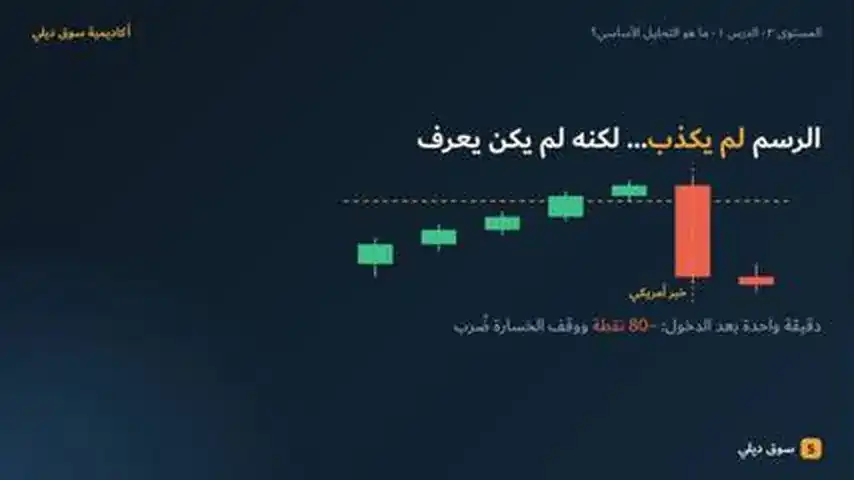
펀더멘털 분석이란, 그리고 기술적 분석만으로 부족한 이유
녹화 완료, 곧 공개
교육 콘텐츠이며 투자 조언이 아닙니다. Nour는 시장의 원리를 설명할 뿐, 무엇을 사거나 팔라고 말하지 않습니다.
이 강의의 한국어 전체 번역은 곧 제공됩니다. 지금은 영어판을 보고 계십니다.
Fundamental analysis studies why prices move: interest rates, inflation, growth, jobs and supply and demand. Technical analysis helps with where and when; you need both.
- A currency's price is, in the end, the price of an economy. FX turnover reached about $9.6 trillion a day in April 2025, with the dollar on one side of 89% of trades.
- Markets move on the surprise: the gap between the actual figure and what was expected.
- Common mistakes: ignoring the news, or chasing every headline.
- Practice: check the economic calendar daily; many disciplined traders trade smaller or wait around major releases.
빠른 확인
3문제. 답을 고르면 이유를 볼 수 있어요.
1.Which question does fundamental analysis mainly answer?
2.Everyone expected a rate hike, and the hike happened. What is the most likely reaction?
3.About how much was traded in the FX market per day in April 2025 (BIS)?
출처
이 강의의 모든 사실은 아래 출처로 뒷받침됩니다.
- 1.CME Group – Using Fundamental Analysis When Evaluating TradesDefinition: fundamental analysis uses economic data and industry conditions to see how supply and demand could move price, now and in the future
- 2.BIS – Triennial Survey 2025: global FX trading hits $9.6 trillion a dayFX trading reached $9.6 trillion per day in April 2025; the US dollar was on one side of 89% of trades
- 3.Reserve Bank of Australia – Drivers of the Australian Dollar Exchange RateInterest-rate differentials are a key driver of demand for a currency (used in the EUR/USD example)
교육 콘텐츠이며 투자 조언이 아닙니다. 위험 고지: 외환, CFD, 금, 가상자산 거래는 위험이 매우 높아 모든 사람에게 적합하지 않을 수 있으며, 투입한 금액보다 더 많이 잃을 수 있습니다. Souq Daily는 교육 플랫폼입니다. 이곳의 어떤 내용도 투자 조언, 추천 또는 권유가 아니며, 과거 성과가 미래 결과를 보장하지 않습니다.