سبق 3 از 104:004 حوالہ جات
انڈیکس اور فنڈز: S&P 500 اور ETF
ویڈیو جلد آ رہی ہے
یہ تعلیمی مواد ہے، سرمایہ کاری کا مشورہ نہیں۔ نور بتاتی ہیں کہ مارکیٹ کیسے کام کرتی ہے۔ وہ کبھی نہیں بتاتیں کہ کیا خریدیں یا بیچیں۔
اس سبق کا مکمل اردو ترجمہ جلد آ رہا ہے۔ ابھی آپ انگریزی نسخہ پڑھ رہے ہیں۔
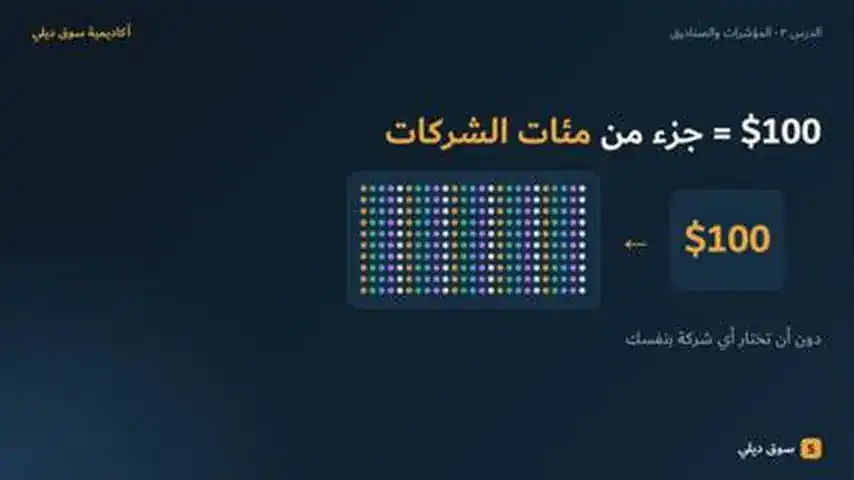
An index measures a basket of securities; an index fund tracks it so you can own the whole basket with a small amount.
- The S&P 500 covers about 80% of U.S. equity market value across 11 sectors (S&P Dow Jones Indices).
- An index fund can be a mutual fund or an ETF; ETFs trade on an exchange at market prices like a stock.
- Index funds still carry risk: they fall with the market and may not track the index perfectly.
- Check what the fund tracks, its expense ratio, any leverage, and trading costs. Leveraged and inverse ETFs target daily results.
فوری جانچ
تین سوال۔ جواب منتخب کریں اور وجہ دیکھیں۔
1.What does an index fund try to do?
2.Roughly what share of U.S. equity market capitalization does the S&P 500 cover?
3.Which statement about index funds is correct?
حوالہ جات
اس سبق کی ہر بات نیچے دیے گئے حوالوں سے ثابت ہے۔
- 1.Investor.gov – Investor Bulletin: Index FundsIndex fund and market index definitions; passive style; risks (tracking, less flexibility); not all index funds cheaper
- 2.SEC – Investor Bulletin: Exchange-Traded Funds (ETFs)ETFs trade on exchanges at market prices; historically lower expense ratios; leveraged ETFs daily objective
- 3.S&P Dow Jones Indices – The 500: A Brief Look at an Index IconS&P 500 covers ~80% of U.S. equity market cap, 11 GICS sectors, 65+ years of live history
- 4.Investor.gov – Investor Bulletin: How Fees and Expenses Affect Your Investment PortfolioImpact of small fee differences over 20 years
یہ تعلیمی مواد ہے، سرمایہ کاری کا مشورہ نہیں۔ رسک کی وارننگ: فاریکس، CFD، سونے اور کرپٹو کی ٹریڈنگ میں بہت زیادہ خطرہ ہے اور یہ ہر کسی کے لیے موزوں نہیں ہو سکتی۔ آپ اپنی لگائی ہوئی رقم سے زیادہ کھو سکتے ہیں۔ Souq Daily ایک تعلیمی پلیٹ فارم ہے۔ یہاں کچھ بھی سرمایہ کاری کا مشورہ، سفارش یا پیشکش نہیں، اور ماضی کی کارکردگی مستقبل کے نتائج کی ضمانت نہیں۔