12강 중 8강3:523 출처
이동평균선(SMA / EMA)과 활용법
녹화 완료, 곧 공개
진행: Nour아랍어 진행, 자막 제공. 다른 언어도 준비 중입니다.
교육 콘텐츠이며 투자 조언이 아닙니다. Nour는 시장의 원리를 설명할 뿐, 무엇을 사거나 팔라고 말하지 않습니다.
이 강의의 한국어 전체 번역은 곧 제공됩니다. 지금은 영어판을 보고 계십니다.
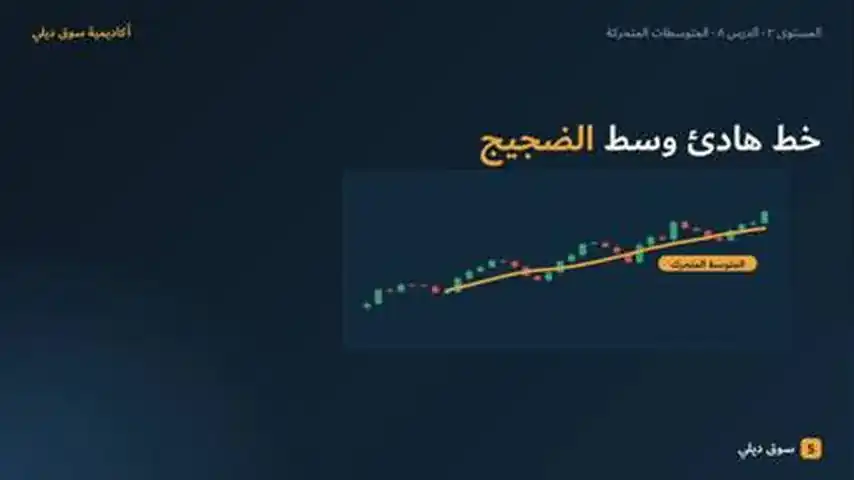
A moving average smooths price to show the underlying direction.
- SMA: sum of closes over N periods divided by N (100, 102, 104, 106, 108 → 104).
- EMA gives more weight to recent prices, so it reacts faster; longer periods are smoother but lag more.
- Uses: reading the trend (slope and price position), dynamic support/resistance, and crossovers such as the 50 crossing above the 200.
- Moving averages lag by nature and fail often in sideways markets.
- Keep one or two standard averages and use them as context, not as a trigger.
빠른 확인
3문제. 답을 고르면 이유를 볼 수 있어요.
1.Closes over 5 days: 100, 102, 104, 106, 108. The 5-period SMA is:
2.What is the main difference of the EMA?
3.Where do moving-average signals fail most often?
출처
이 강의의 모든 사실은 아래 출처로 뒷받침됩니다.
- 1.MetaTrader 5 Help — Moving AverageSMA and EMA calculation; latest prices weigh more in EMA; classic price-crosses-MA signal
- 2.CME Group Education — Understanding moving averagesEMA weights recent data; short MA crossing above long (e.g. 50 above 200) generally seen as bullish; 200 EMA as support; longer EMA = stronger support/resistance as a general rule
- 3.ASX — Shares course 11: Technical analysis (PDF)Larger period = smoother average; MA runs through the middle of a sideways market and should be applied to trending markets
교육 콘텐츠이며 투자 조언이 아닙니다. 위험 고지: 외환, CFD, 금, 가상자산 거래는 위험이 매우 높아 모든 사람에게 적합하지 않을 수 있으며, 투입한 금액보다 더 많이 잃을 수 있습니다. Souq Daily는 교육 플랫폼입니다. 이곳의 어떤 내용도 투자 조언, 추천 또는 권유가 아니며, 과거 성과가 미래 결과를 보장하지 않습니다.